Source Commercial Motor Pressure Washer Pump for Laundry, Water, and Industrial Use
Find and compare 30 commercial motor pressure washer pump options for household washing, commercial laundry, and water circulation. Evaluate specifications like axial plunger structures, DIY installation, and universal compatibility to select the right pump for your operational needs; compare the available evidence and request quotations based on your requirements.
Key considerations
Products List






Comprehensive Sourcing Guide
Commercial Motor Pressure Washer Pump Sourcing Guide
Procuring a commercial motor pressure washer pump requires distinguishing between high-volume industrial units and compact residential solutions, as the market offers diverse configurations ranging from axial plunger pumps to diaphragm designs. Buyers must first identify whether their operational needs align with electric hydraulic-driven reciprocating pumps or vacuum-based systems, as the driving mechanism dictates the ultimate pressure output and flow consistency. The observed product landscape includes models with universal compatibility, suggesting that many suppliers offer adaptable units suitable for various washing machine operations or specialized commercial laundry applications.
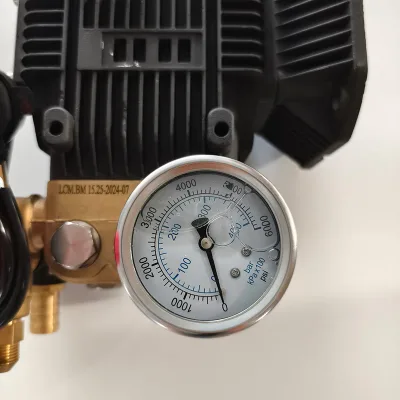
When evaluating listings, procurement teams should scrutinize the specific drive mode and cylinder configuration to ensure the pump matches the intended workload. While some units feature a straight shaft swashplate piston type designed for high-pressure oil applications, others utilize a radial plunger structure optimized for continuous water circulation. It is critical to verify that the selected pump's power source, whether motor or engine-driven, aligns with the facility's electrical infrastructure, as the voltage requirements can vary significantly from 6V to 24V depending on the specific model and application scope.
Product Scope and Observed Listing Signals
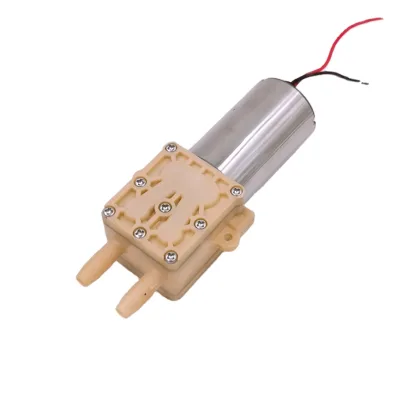
The current market inventory reveals a wide spectrum of pump types, including axial plunger pumps with multi-cylinder arrangements and diaphragm pumps characterized by their compact, lightweight design. Buyers should note that observed specifications include standard sizes alongside miniaturized units measuring approximately 109.6 by 68 by 52.3 millimeters, indicating that suppliers cater to both heavy-duty industrial boilers and smaller HVAC OEM applications. The presence of customizable options suggests that many manufacturers are willing to adapt the basic structure to fit unique installation constraints or specific commercial building requirements.
Listing signals also highlight the versatility of these units across diverse sectors, from automotive and biofuel industries to drinking water treatment and district energy systems. Procurement officers must carefully review the stated application fields, as some pumps are explicitly designed for fountain or aquarium circulation, while others target high-capacity irrigation or industrial utilities. The variation in selling units, often listed as single items, implies that buyers may need to aggregate orders to achieve economies of scale, especially when sourcing for large-scale commercial laundry or household washing operations that demand consistent performance.
Technical Specifications to Verify
Technical due diligence must begin with the verification of flow rate and pressure capabilities, as these metrics directly impact the efficiency of the washing or cleaning process. Buyers should confirm whether the pump operates as a low-pressure unit or a high-capacity model capable of handling up to 345 cubic meters per hour, ensuring the selected device meets the hydraulic demands of the specific facility. The outlet size, observed at 6.5 millimeters in some listings, is another critical dimension that must match the existing piping infrastructure to prevent leaks or flow restrictions during operation.
Further verification is required regarding the pump's structural integrity and material composition, particularly for applications involving harsh chemicals or continuous water extraction. The basic materials listed, such as PC, PPS, Nylon, and rubber, indicate a focus on durability and chemical resistance, which are essential for long-term reliability in commercial settings. Additionally, the working way, whether continuous or intermittent, must align with the operational schedule of the facility, as pumps designed for intermittent use may suffer premature wear if subjected to non-stop industrial cycles.
Compliance and Safety Documentation
Ensuring that the selected pump meets international safety and quality standards is a non-negotiable step in the procurement process for commercial applications. Buyers should request documentation confirming compliance with ISO9001:2008, CE, and RoHS certifications, which validate that the manufacturing process adheres to strict quality management and environmental safety protocols. These certifications are particularly important for equipment intended for use in developing world water solutions or food and beverage industries, where regulatory scrutiny is high and product liability risks are significant.
Beyond general certifications, specific safety data regarding the electrical components and pressure ratings must be reviewed to prevent operational hazards. The voltage specifications, ranging from 6V to 24V, require careful matching with the facility's power supply to avoid electrical failures or safety incidents. Procurement teams should also verify the warranty terms, noting that a standard six-month warranty may be insufficient for high-usage commercial environments, and negotiate extended coverage to protect against premature mechanical failures or defects in the hydraulic system.
Cost Drivers and Commercial Terms
The final cost of a commercial motor pressure washer pump is influenced by several factors, including the complexity of the drive mode, the materials used in construction, and the level of customization required. Units featuring advanced features like DC brushless technology or specific cylinder configurations often command higher prices, while standard models with basic diaphragm structures may offer a more budget-friendly alternative for smaller operations. Buyers must also consider the packaging requirements, as standard export packages or carton packaging may incur additional logistics costs depending on the destination and shipping volume.
Commercial terms such as minimum order quantities and lead times play a crucial role in the total cost of ownership and supply chain planning. While some suppliers offer a minimum order quantity of just one unit, others may require orders of 200 units or more, particularly for customized models or bulk industrial applications. It is essential to clarify the payment terms and delivery schedules early in the negotiation process, as the origin location, often cited as Ningbo or Guangdong in China, can impact shipping durations and import duties for international buyers.
Supplier Qualification and Quality Control
Selecting a qualified supplier involves verifying their production capabilities and their ability to provide consistent quality across large batches. Buyers should assess whether the supplier offers OEM, ODM, or OBM support, as this indicates their flexibility in adapting products to specific brand requirements or technical specifications. The presence of a brand name like Feiyinsi in the market suggests that established manufacturers are available, but procurement teams must still conduct their own audits to ensure that the supplier's quality control processes align with the rigorous demands of commercial operations.
Quality control measures should extend beyond the initial inspection to include ongoing monitoring of production batches and post-delivery support. Suppliers should be able to provide detailed test results and performance data for their pumps, particularly regarding the pressure oil systems and hydraulic drive modes. It is also advisable to request samples for independent testing before committing to a large order, ensuring that the pump's characteristics, such as its vacuum pump theory or specific flow rate, meet the actual operational needs of the facility.
Long-Term Procurement Checks
Establishing a long-term procurement strategy requires regular performance reviews and maintenance planning to ensure the pumps continue to operate efficiently over time. Buyers should implement a schedule for inspecting the pump's structural components, such as the straight shaft swashplate and radial plunger mechanisms, to detect early signs of wear or fatigue. This proactive approach helps prevent unexpected downtime and extends the service life of the equipment, which is critical for maintaining productivity in commercial laundry and industrial utility applications.
Furthermore, maintaining a relationship with the supplier for spare parts and technical support is essential for the longevity of the procurement investment. Buyers should verify the availability of replacement parts, such as gears, rubber seals, and hardware components, to ensure that repairs can be conducted quickly without significant delays. Regular communication with the supplier regarding updates in technology or changes in standards will also help the procurement team stay ahead of industry trends and ensure that the installed pumps remain compliant with evolving safety and efficiency regulations.
FAQs
What is the flow rate of the commercial motor pressure washer pump?
The flow rate is 1L/M for the specific diaphragm pump model. This unit operates on DC brushless technology with a vacuum pump theory. It supports voltages of 6V, 9V, 12V, or 24V. The pump is designed for water usage in applications like fountains and aquariums. It features a compact size and lightweight construction for easy integration.
Can the commercial motor pressure washer pump be customized for OEM projects?
Yes, customization is available for OEM, ODM, and OBM projects. The product supports DIY installation and is suitable for universal compatible models. It is packaged in standard export cartons for safe shipping. The brand Feiyinsi offers these tailored solutions. Buyers can request specific modifications to meet unique operational requirements.
What certifications does the commercial motor pressure washer pump hold?
The pump holds ISO9001:2008, CE, and Rohs certifications. These standards ensure quality and safety for international markets. The product originates from Guangdong, China, and is manufactured with high-quality materials. It includes hardware, rubber, and gear components. The certifications support its use in various commercial and household applications.
What is the warranty period for the commercial motor pressure washer pump?
The warranty period is 6 months for this pump unit. It is designed for continuous or intermittent working ways. The product is sold as a single item with a gross weight of 0.473 kg. This warranty covers manufacturing defects. Buyers should follow installation guidelines to maintain validity.
What is the maximum capacity of the radial plunger pump type?
The maximum capacity is 345 M3/H for the radial plunger pump type. This axial flow pump features a multi-cylinder structure. It is hydraulic driven and reciprocating, suitable for high-volume applications. The pump operates with electric power and includes a motor or engine driver. It is ideal for industrial utilities and district energy systems.
Where is the commercial motor pressure washer pump manufactured?
The pump is manufactured in Ningbo, China, and Guangdong, China. These locations are known for high-quality industrial components. The product is packaged in carton packages for export. Buyers can source these units directly from these origins. The manufacturing process adheres to international quality standards.